Walkie Talkie vs. Wireless Intercom: Which is Right for Your Business in Malaysia
In the fast-paced business environments, clear and efficient team communication isn’t just a convenience—it’s the backbone of productivity and safety. From the controlled chaos of a live event to the noisy precision of a construction site, a single missed instruction can lead to costly delays or dangerous accidents. For decades, the trusted walkie-talkie has been the go-to solution. But today, a more advanced technology, the wireless intercom system, offers a new way for teams to connect. When searching for a Wireless Intercom Malaysia solution, understanding the difference is key.
So, how do you choose? This guide will break down the crucial differences between these two powerful tools, helping you decide which communication system is the perfect fit for your specific needs in Malaysia.
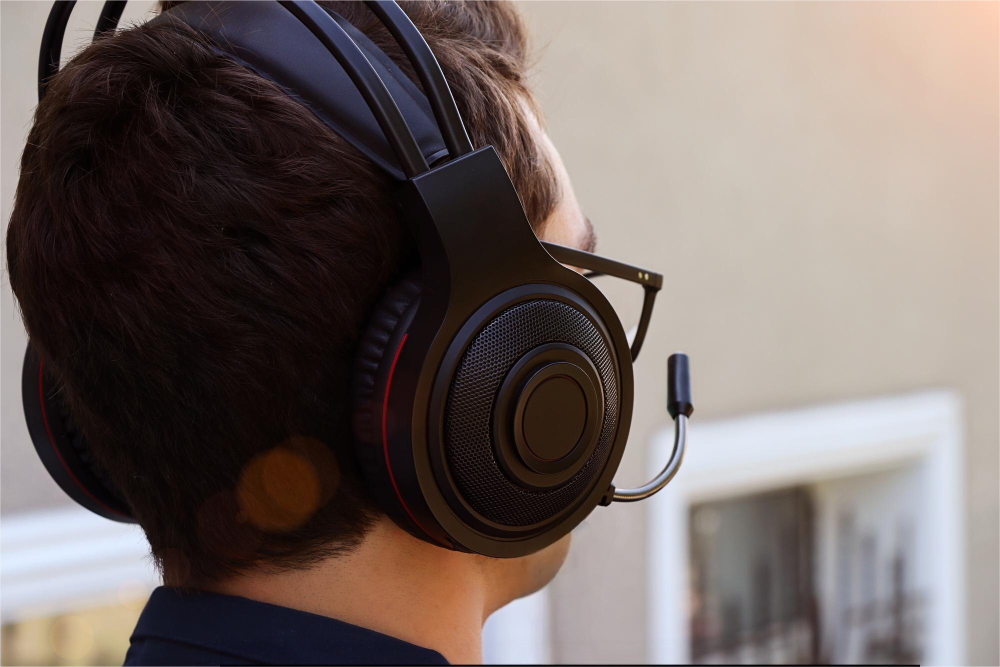
Table of Contents
The Single Biggest Difference: Half-Duplex vs. Full-Duplex Explained
Before we dive into features, it’s essential to understand the fundamental technology that separates these two devices. The difference lies in how they transmit and receive audio, a concept known as “duplex.”
- Half-Duplex (Walkie-Talkies): The One-Lane Bridge
Traditional walkie-talkies operate on a half-duplex system. Think of it as a one-lane bridge. Only one person can talk at a time. When you use a walkie-talkie, you must push-to-talk (PTT), which opens the channel for your voice. While you are speaking, you cannot hear anyone else. This method is simple and effective for giving direct commands but prevents the natural, overlapping conversation needed for complex teamwork. - Full-Duplex (Wireless Intercoms): The Multi-Lane Highway
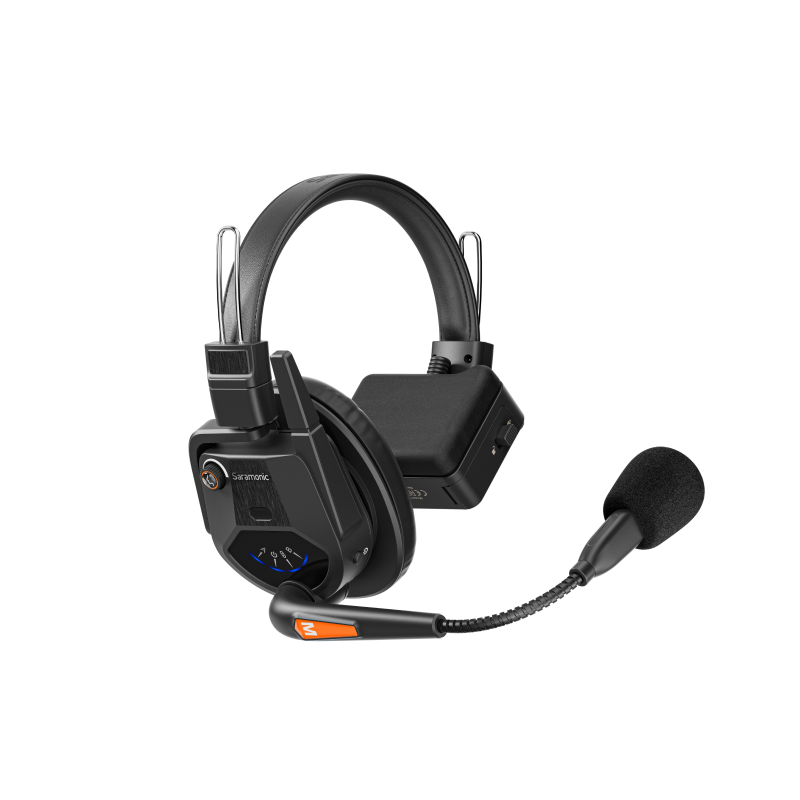
Modern wireless intercom systems in Malaysia, like the Saramonic WiTalk series, operate on a full-duplex system. This is like a natural phone call or a multi-lane highway where traffic flows in both directions simultaneously. Multiple users can talk and listen at the very same time, with no buttons to push. This technology allows for real-time, hands-free conversation, making it a game-changer for teams that rely on constant interaction.
Head-to-Head Comparison: A Quick Glance Table
For a quick summary, here’s how the two technologies stack up.
| Feature | Walkie-Talkie | Wireless Intercom |
| Communication Flow | Half-Duplex (One at a time) | Full-Duplex (Simultaneous conversation) |
| Best For | Quick commands, status updates | Collaborative tasks, detailed discussions |
| Hands-Free? | No, requires Push-to-Talk (PTT) | Yes, always-on, hands-free operation |
| Audio Quality | Good, can be prone to interference | High-fidelity digital, often with noise cancellation |
| Privacy | Open channels, can be scanned | Secure, encrypted digital channels |
| Ideal Environment | Security, logistics, construction | Film production, event management, theatre |
When to Choose a Walkie-Talkie: The Power of Simplicity
A traditional walkie-talkie is still the superior choice in many situations. Its simplicity is often its greatest strength. You should choose a walkie-talkie when your needs are:
- Simple, Direct Commands: For security patrols at condominium, or warehouse staff confirming pallet locations, a walkie-talkie is perfect.
- Broadcasting to Large, Scattered Teams: A floor manager at a large mall can use a walkie-talkie to send a single message to all retail staff efficiently.
- Rugged Durability & Simplicity: In harsh environments like construction or marine logistics, the simple, robust design of a high-quality walkie-talkie is famously tough and reliable.
When a Wireless Intercom is the Game-Changer
A wireless intercom system is built for collaboration and is the superior choice when your operation involves:
- Complex, Collaborative Tasks: Consider a film crew or a live event production team. The director, camera operators, and stage managers all need to communicate simultaneously. The intercom allows for a fluid, real-time conversation that a walkie-talkie simply cannot handle.
- Essential Hands-Free Operation: A crane operator needs both hands on the controls. On a busy manufacturing floor, a line supervisor needs their hands free to manage machinery. A wireless intercom headset provides constant, hands-free communication, dramatically improving safety and efficiency.
- High-Noise Environments: For event stage managers, theatre crews, or staff in a loud restaurant, clarity is everything. The noise-cancellation features of a professional wireless intercom in Malaysia ensure critical instructions are heard clearly above the surrounding noise.
- Streamlining Service and Production: In a busy F&B outlet, the front-of-house needs to instantly communicate with the kitchen staff without shouting. A wireless intercom keeps the entire service flow smooth and professional, directly enhancing the customer experience.
The Right Tool for the Right Job
Ultimately, the choice between a walkie-talkie and a wireless intercom isn’t about which is “better,” but which is the right tool for your job.
- Walkie-talkies are built for broadcasting instructions. They are simple, rugged, and perfect for giving clear, one-way commands to a wide group.
- Wireless intercoms are built for having a conversation. They are collaborative, hands-free, and essential for teams that need to discuss, adapt, and work together in real-time.
Choosing the right system can revolutionize your team’s efficiency and safety. Still not sure which is best for your operations in Malaysia? Our experts at JMSS are here to help. Contact us today for a free consultation and let us tailor a solution to your exact needs, whether you are looking for a basic PTT radio or a sophisticated Wireless Intercom Malaysia solution.